

Density or Tent City, And Where Investors Fit
Australia’s housing crisis is often discussed as a government problem. But the reality is more nuanced and more actionable. The decisions made in planning offices shape outcomes in communities. The decisions made by investors determine what actually gets built. That’s why the real choice in front of us isn’t abstract: strategic density, or tent city….
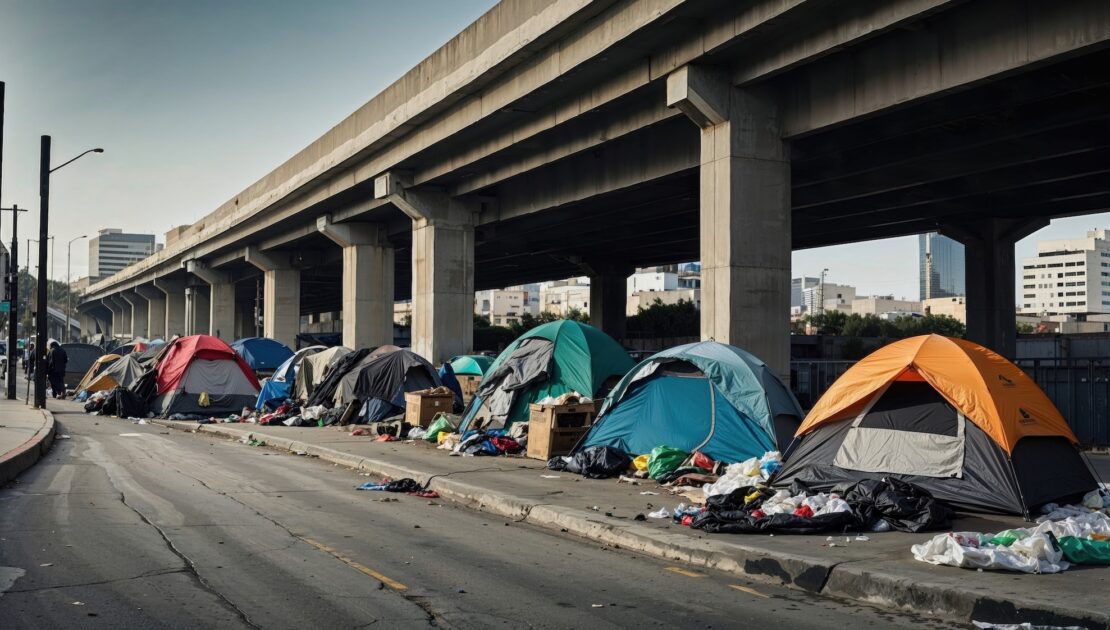
Australia’s housing crisis is often discussed as a government problem.
But the reality is more nuanced and more actionable.
The decisions made in planning offices shape outcomes in communities. The decisions made by investors determine what actually gets built. That’s why the real choice in front of us isn’t abstract: strategic density, or tent city.
And residential property investors have a direct role in which path we take.
The Housing We Need Most Is the Housing We Block
The housing under the most pressure today isn’t luxury apartments or detached homes on new land. It’s the missing middle: well-located, medium-density homes that suit how people live now:
- Townhouses
- Duplexes and triplexes
- Small, walk-up apartment buildings
- Human-scale density near jobs, transport and services
These homes are more attainable for renters and buyers, more efficient to build, and better aligned with demographic demand. They’re also the most resilient assets from an investment perspective with consistently high demand, broad tenant appeal and long-term relevance.
Yet they remain the hardest product to deliver.
Most medium-density developments still require discretionary council approval, even when they’re modest, compliant and well-designed. Public notification, objections and political risk can delay projects for years. In contrast, a single oversized detached home on the same land often receives near-automatic approval.
Ageing strata and greyfield sites face similar barriers. Unanimous consent requirements mean one owner can block the renewal of an entire site, locking up land that could otherwise house dozens of people close to existing infrastructure.
The result is a system that rewards sprawl and scarcity, and punishes exactly the kind of housing our communities need most.
Why This Matters to Investors
For residential property investors, this isn’t just a planning debate, it’s a signal.
When supply is constrained and demand is structural, well-located medium-density housing becomes increasingly valuable. Not because it’s speculative, but because it’s functional.
Townhouses and missing-middle developments typically offer:
- Strong rental demand across multiple demographics
- Lower price points than detached homes in the same area
- Better yield resilience
- Long-term relevance as household sizes shrink
Investing in this segment isn’t just commercially sound, it actively contributes to easing housing pressure in real, practical ways.
This is where investment strategy and community outcomes align.
Strategic Density, Not High-Rise Everywhere
There’s a misconception that density means high-rise. It doesn’t.
Strategic density means slightly smaller land footprints, slightly taller buildings, and smarter use of land that already has roads, services, schools and transport.
Research from the Grattan Institute shows that permissive three-storey zoning in well-located suburbs can deliver up to three times the dwelling capacity without towers or skyline disruption. Yet even these modest developments are routinely blocked by outdated controls and risk-averse decision-making.
The “missing middle” hasn’t failed the market. The system has failed to let it exist.
Density or Tent City: Investors Have a Choice Too
Every property investment either reinforces scarcity or contributes to supply.
Missing-middle housing allows investors to grow their portfolios while also supporting more sustainable, liveable communities without waiting for governments to fix everything first.
The choice isn’t ideological. It’s practical.
Strategic density delivers homes people can actually live in.
And investors who understand that are positioning themselves on the right side of both demand and history.